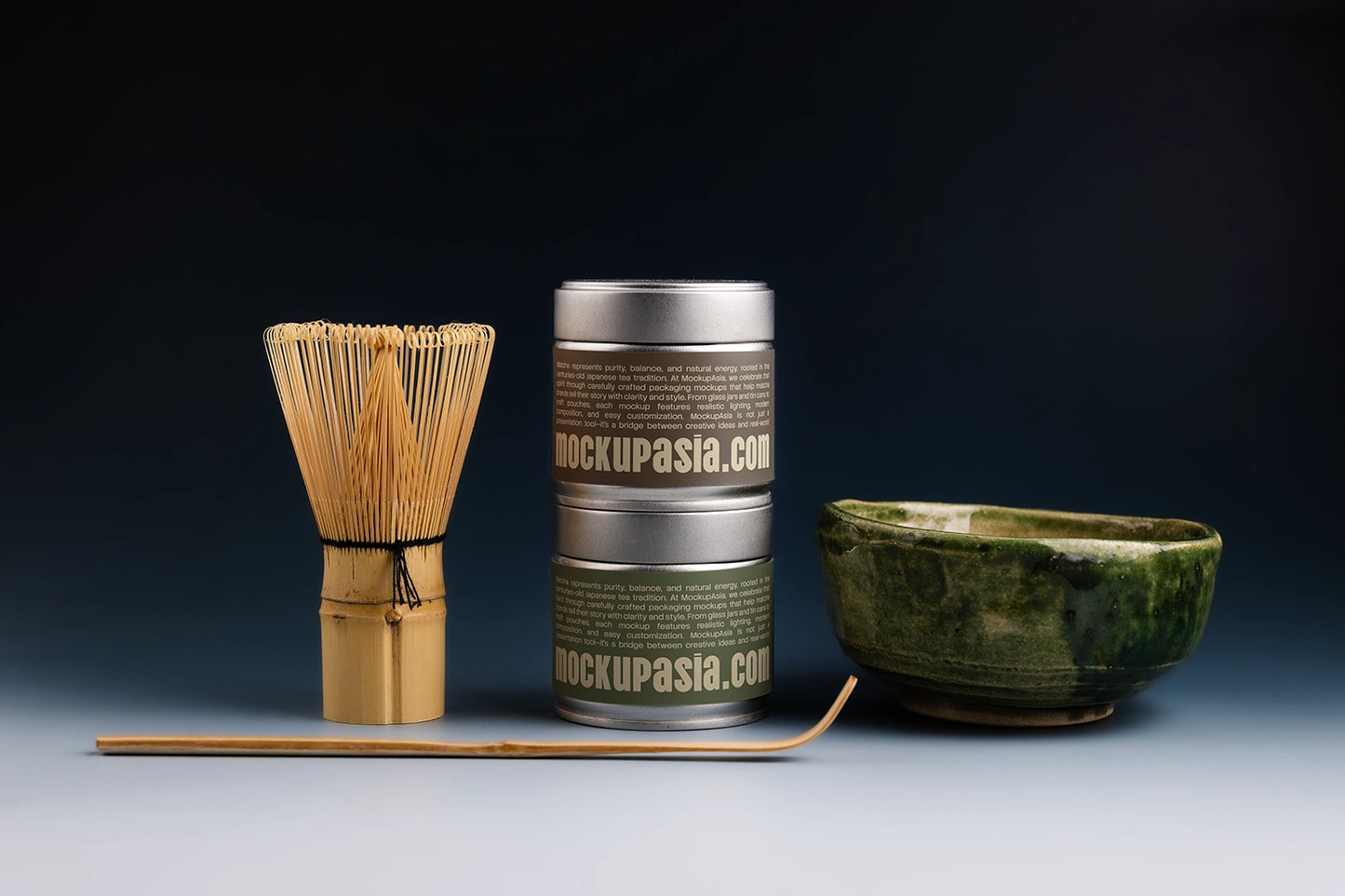
What Happens If You Choose the Wrong Matcha Grade?

What Happens If You Choose the Wrong Matcha Grade for Your Brand?

https://images.openai.com/static-rsc-3/210e00iIM7B3lC_18dtR3j2e0VBiLRNaHNzleAa5wxiigNfcsKjtVHqWvTopmC0BIDjaZrbrRmKgWH0ycstg4pXqCp9ahNdevHILyTGqTis?purpose=fullsize&v=1
https://images.openai.com/static-rsc-3/H4FS34QthWyk_RqRr7Kr-qDL4Y0PLiB2coJBOebD4zjJ3KyVn7TJpskFkj4jm0Hi_xEjhbQfrnR0Ig8q6wl5J7YXB-lqOhbXVB6EWqN7GJY?purpose=fullsize&v=1
https://images.openai.com/static-rsc-3/YczUps88sIUOhdLCYonBpJpJXdrwphiqDlRglvTzqBchgPM8SKDHFWybnwxch7fJ2a1YdkbP2yG4ng_mxwvn-Jq-ZLlL_Lu1mX_M4l-MAA8?purpose=fullsize&v=1

4

Launching a matcha product sounds simple, but one of the most common mistakes new brands make is choosing the wrong matcha grade.

Many beverage brands assume all matcha powders behave the same way. In reality, the grade of matcha has a major impact on taste, color, cost, and how well the powder performs in drinks.

Choosing the wrong matcha grade can result in dull color, bitterness, or drinks that simply don’t work well with milk.

Understanding how matcha grades work is one of the most important steps when developing a new matcha product.


Why Matcha Grade Matters More Than Most Brands Expect

https://images.openai.com/static-rsc-3/J5pNyU_RjnVsBXbNwEhMAGDZ1b1DAfBEpXr4QK4QNXZa5C2vfK9-QpsZ1aBqadmy-XHDKKlbUR3wId4rd1y1TT3B3TKEuV5K7meobqFsGk4?purpose=fullsize&v=1
https://cdn.shopify.com/s/files/1/0668/5149/files/encha_macha_grades.jpg?v=1639548640
https://images.openai.com/static-rsc-3/cxHPuN9eQFm2_wfsUyF86gSlZNlubPkhUEoXw3gqCNraCkKM7pi_ry68834AyKeAYNDJsGOiOKtA1sGsyS3yIEfGhGZH3-MtxTZkqQIUyrY?purpose=fullsize&v=1

4

Matcha powder is produced in multiple grades, and each grade is designed for a different purpose.

For example:

  • Ceremonial grade matcha is usually used for traditional tea preparation with water.
  • Latte grade matcha is optimized for mixing with milk and creating vibrant matcha lattes.
  • Culinary grade matcha is typically used for baking, desserts, or large-scale food production.

If brands select the wrong type of matcha, the final product often fails to meet expectations.


Weak Color in Milk Drinks
https://cuzenmatcha.com/cdn/shop/products/Re_042_CuzenMatcha2022April_11_1500px.jpg?v=1651876439&width=1445
https://images.openai.com/static-rsc-3/eN66phs32g6WbALW-xczmZxI0k-x6udyoH7pEhiplab26TZBgK3m0G7ilqvD6j1gixJ-CUBUJa0ZzbWqdehDuJo45YjAjrtkv10A8Z-Oyp8?purpose=fullsize&v=1
https://images.openai.com/static-rsc-3/oC58R7QXEFKOOyXN7u3se_FOPBK9Z_D8vAlqMzra4QHCg-MJfY3CpAyIsJVmYgkDnpQIWPYMCy9myPEDkjSobLJ6NhWkGWvtrz86h5-pch8?purpose=fullsize&v=1

4

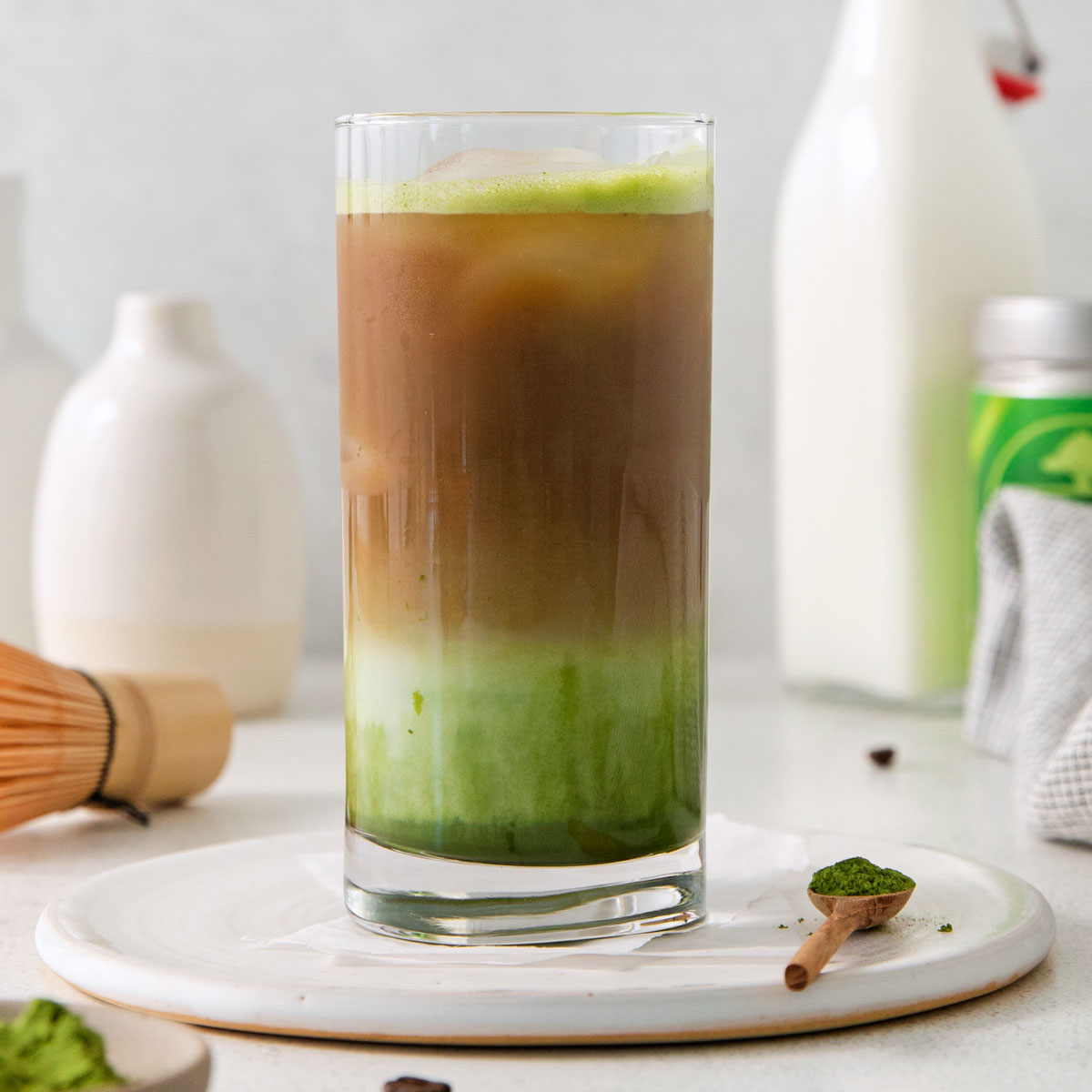
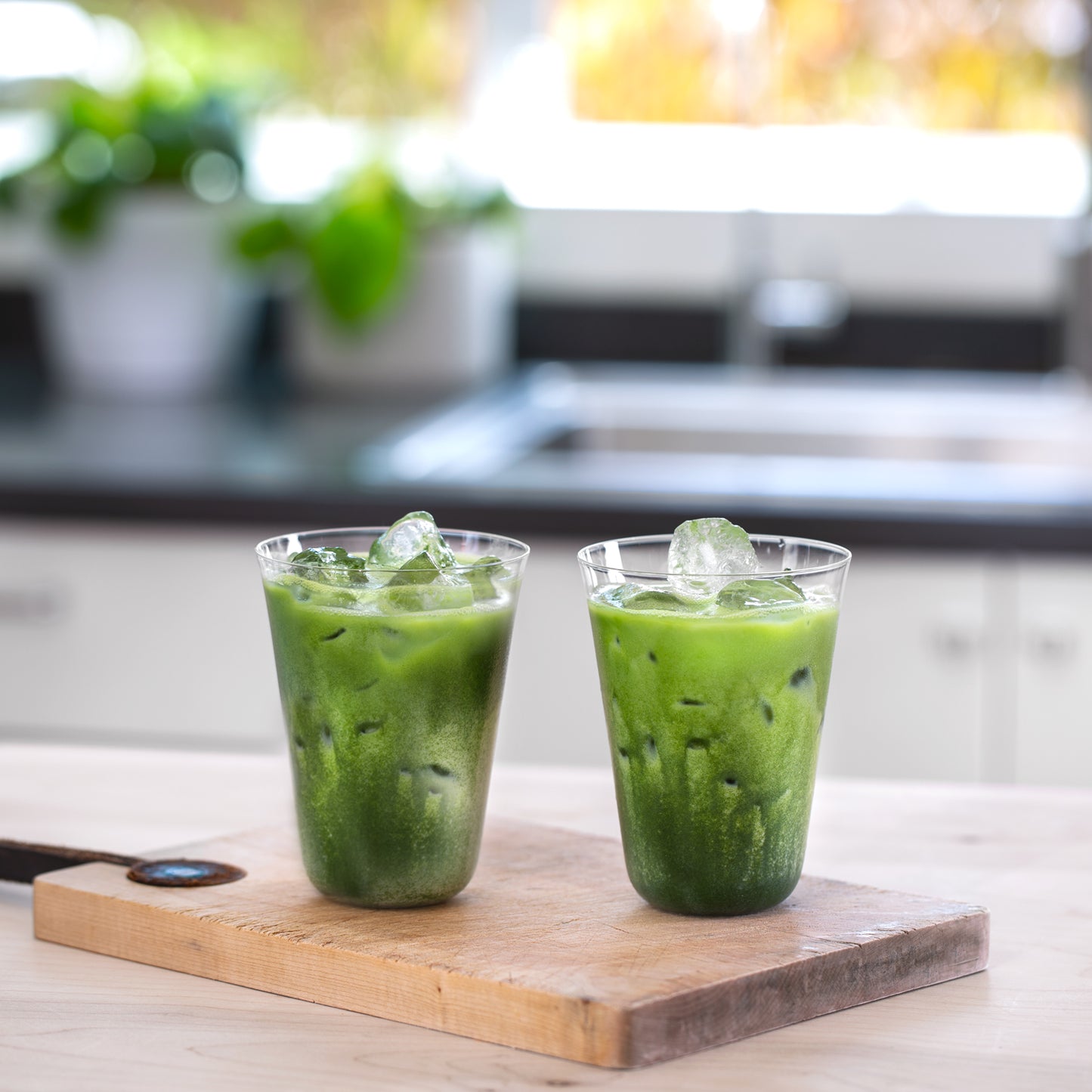
Some matcha powders look bright green when mixed with water but become dull or brownish when added to milk.

This happens because not all matcha grades are designed for milk-based drinks.

For matcha lattes, brands usually need a latte-grade matcha that maintains color and balance when combined with milk.


Bitter Flavor

https://images.openai.com/static-rsc-3/PI-eQb6LUJViJNx3x9IYffSe47Ufj2rPF-HSvwKtgVqwskwep7Glk7NSixXbdnumpf3--96vkq5wFJOngO79fbRH7enQl_JrB9-ye_yzXfY?purpose=fullsize&v=1
https://images.openai.com/static-rsc-3/wmZZyGSrGrxJhmp8naBbWOTqCdaLtRelLHVorcVhoF0wDSzAD-eh6CRz-6owY3BsAWCPiEKZyw9o4PFCkrwbCIUSZ-shL41hsoMPC6l2xsU?purpose=fullsize&v=1
https://images.openai.com/static-rsc-3/Lc99x3D6SolMuZtiYW8yS2dRDc403RDRm42TXo8PMSJ78mWfGvEcX1nNbH56NTLCnFHdBUtYpYF29J37OE58qjmeYy_2M2I_HtpxhuEj4sU?purpose=fullsize&v=1

4

Lower-grade matcha powders often contain stronger bitterness.

While bitterness can work in baking applications, it can make beverages unpleasant for customers.

Brands that focus only on lowering cost sometimes discover that the drink becomes difficult to sell because the flavor is too harsh.


Poor Mixing Performance
https://blog.mountainroseherbs.com/hs-fs/hubfs/IcedMatcha_Latte.jpg?name=IcedMatcha_Latte.jpg&width=533
https://www.texanerin.com/content/uploads/2023/04/matcha-coffee-1200-image.jpg
https://r2-bucket.flowith.net/f/4fdbeaee2593fa6f/dry_matcha_powder_macro_shot_index_0%401024x1024.jpeg

4

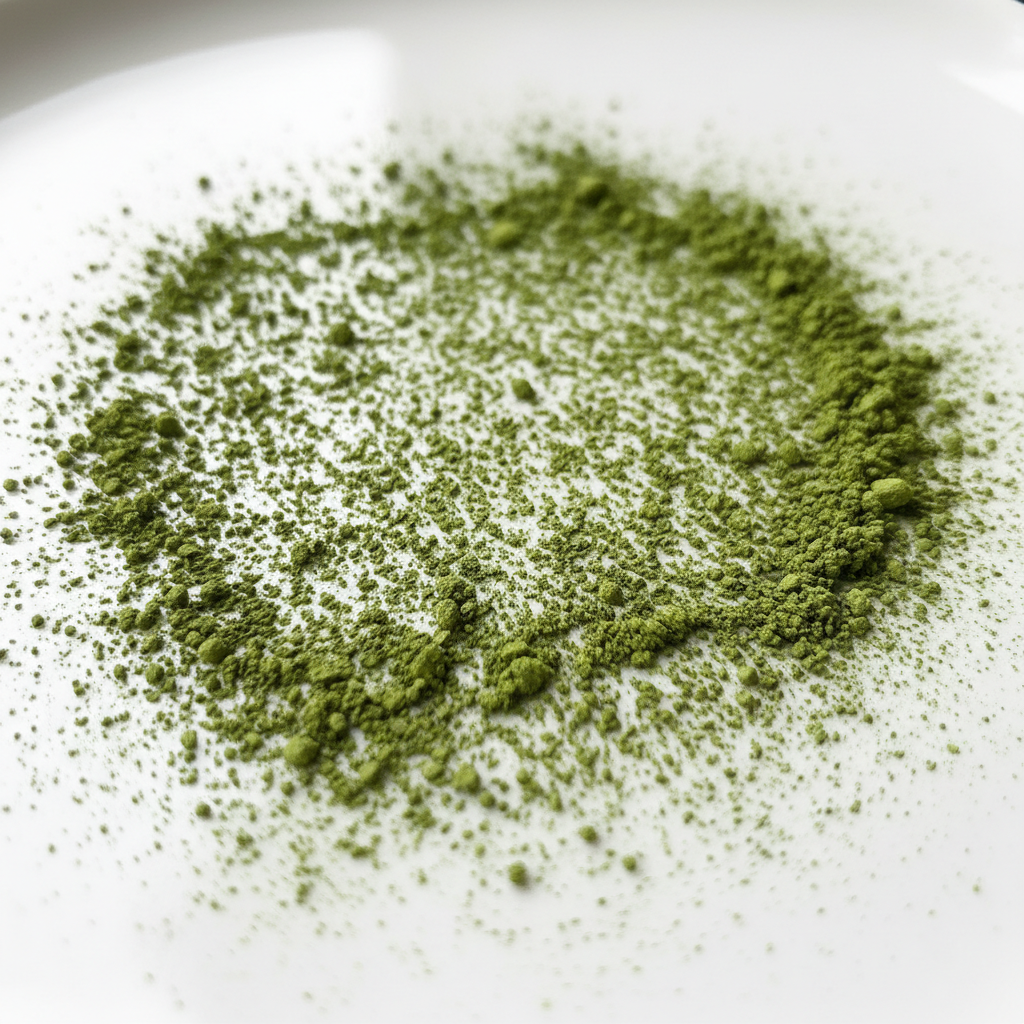
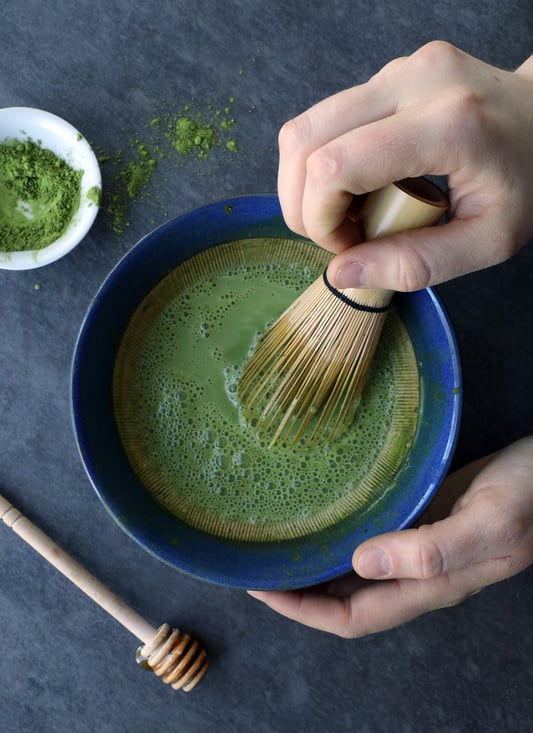
Another common issue is poor mixing.

Some matcha powders clump easily or settle quickly in beverages.

This can cause inconsistent drinks, especially in milk-based beverages where smooth texture is important.


Why Most New Matcha Brands Test Multiple Grades

https://images.openai.com/static-rsc-3/phaWcEQgbRFypOkwXI8I-7J5RVAyHPSTPXJySZ3JT9II5TlCcy4z_XTxQpaGeSDrbKxBmqtjT0qQ2fP-aUbsYCJGb_hVnHrJ805b2C4de8Q?purpose=fullsize&v=1
https://cdn.shopify.com/s/files/1/0668/5149/files/encha_macha_grades.jpg?v=1639548640
https://aiya-america.com/product_images/uploaded_images/aiyamatcha-9-1-.jpg

4

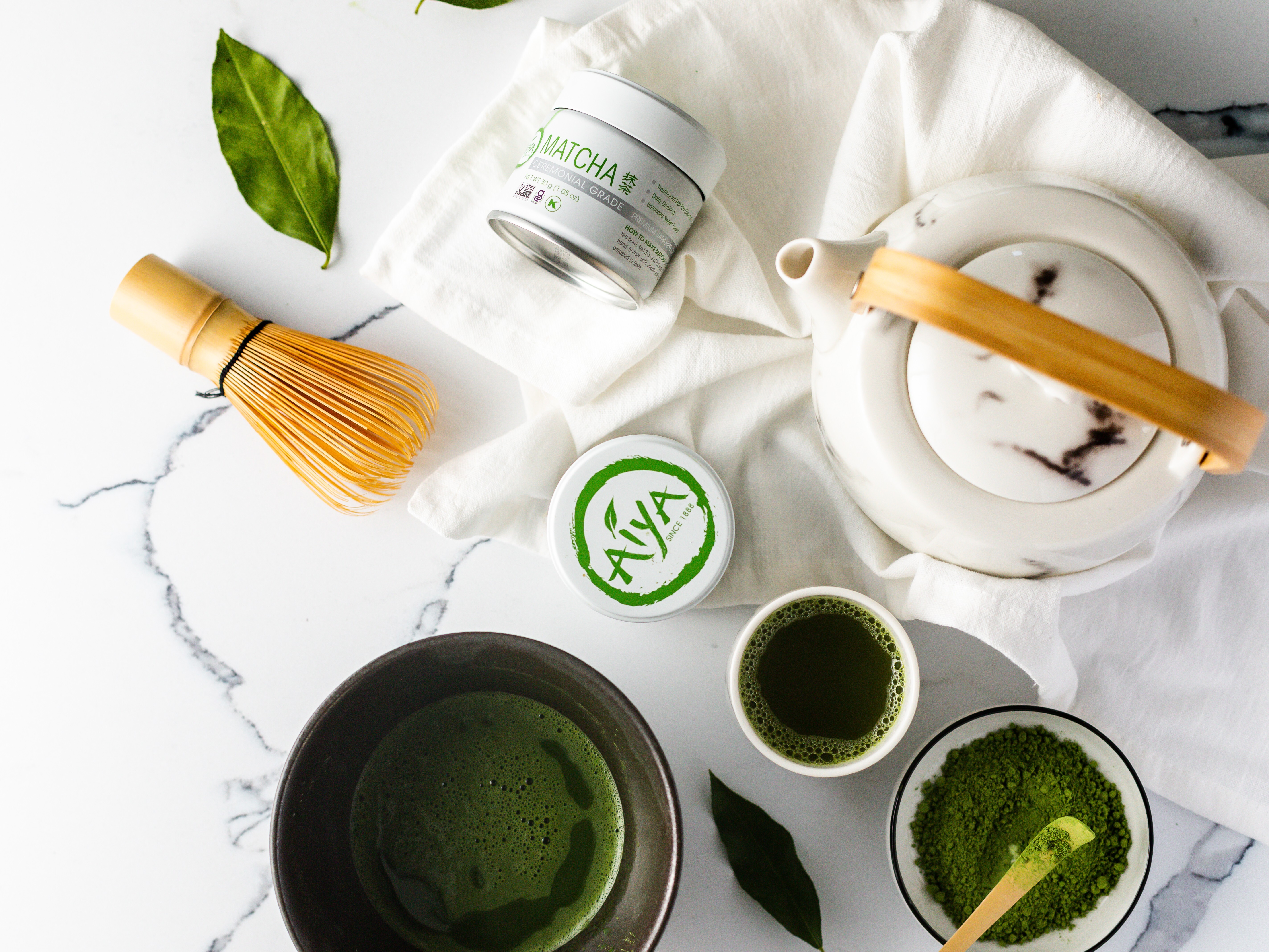
Experienced beverage brands rarely launch with only one matcha powder at the beginning.

Instead, they usually test two or three different grades before finalizing their product.

A common testing approach includes:

  • A premium ceremonial matcha for high-end positioning
  • A latte-grade matcha designed for milk drinks

This allows brands to compare color performance, flavor balance, and cost per serving before choosing the final product.


How Brands Usually Choose Their Final Matcha Grade

https://images.openai.com/static-rsc-3/OL-Aupm3Z0LF6-2T3S7_S6Jl5ES-FDLqKoze2RC0yQmj47ayXNKi4f4BfqI0Vh9wvSA4raFWL-CtsGw_k-QTXZF6DeHmJMU9c2oDQ78PfRw?purpose=fullsize&v=1
https://shardorlife.com/cdn/shop/articles/Matcha_Latte_Cappuccino.png?v=1757735706&width=2048
https://images.openai.com/static-rsc-3/mi5nieyvBzyD-8j219AzKzgwrk4YNenwzOOXKia5yN-OXP0iz5uCpA8HSQmlwmBs6Fb9DM5IXomxZ_LSnFYedfsOtK-hFFBlV3OkW_FvFAY?purpose=fullsize&v=1

4

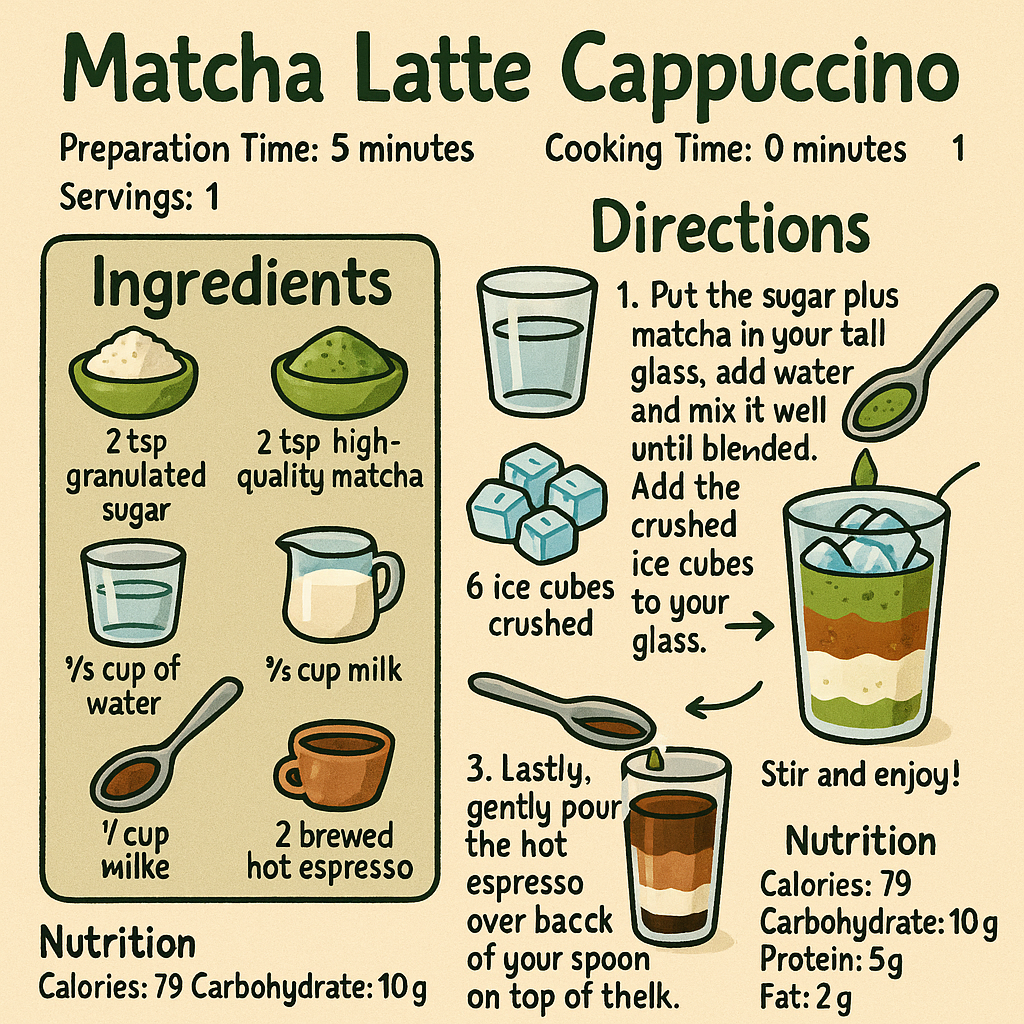
Most beverage brands evaluate three main factors.

The first factor is color performance, especially in milk-based drinks.

The second factor is flavor balance, ensuring the matcha is smooth and not overly bitter.

The third factor is cost per drink, which determines whether the product can be priced competitively.

In many cases, brands find that a high-quality latte-grade matcha provides the best balance between color, flavor, and cost.


Looking for Matcha Powder for Your Brand?

https://images.openai.com/static-rsc-3/yn4yGHd828jJGhUpvG3AA19jb6oU1qNRlCCSuBCAeeZoa2XPUjx19_kcHCa6YKVU7XW-c6BZopk7QSqZvM4egsZvamasNZGSDXJl3iRri_s?purpose=fullsize&v=1
https://mockupasia.com/cdn/shop/files/Matcha_tin_can_Mockup_MCS031.webp?v=1769491195&width=1445
https://images.openai.com/static-rsc-3/eDQnVWteNSzdrNCk8Tl90ZNaeBEwR8gue-f3yzdRFLqBTEU1R50CnSIapVAhcFG9OniLSLT_6e_nZI31nvtIqJwUulrk7waZVv1ZqHtH5jY?purpose=fullsize&v=1

4

If you are developing a matcha beverage or private label product, choosing the right matcha grade is one of the most important steps.

Testing samples is usually the best way to identify the matcha that works best for your drinks.

Contact us to request matcha samples and start testing today.

Scroll to Top