


4
Starting a matcha brand has become increasingly popular in recent years. With the rise of specialty coffee culture, wellness products, and functional beverages, matcha has moved from a niche Japanese tea to a global premium ingredient.
Many entrepreneurs are launching online matcha brands through Shopify, Amazon, or specialty café concepts. But one of the most common questions new founders ask is simple:
How much does it actually cost to start a matcha brand?
The answer depends on several factors such as product grade, packaging design, order quantity, and logistics. However, we can estimate the typical cost structure for a standard retail matcha product.
The Typical Retail Matcha Product Format


4
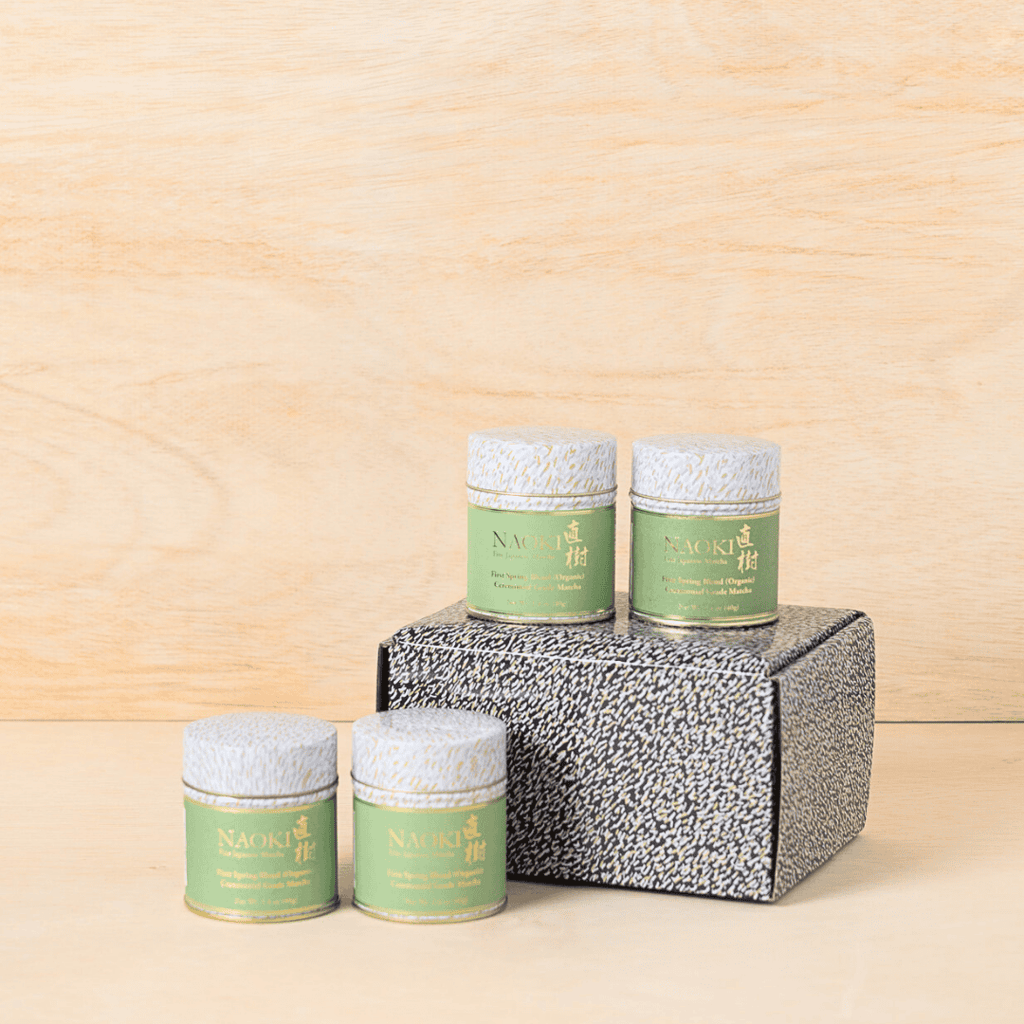
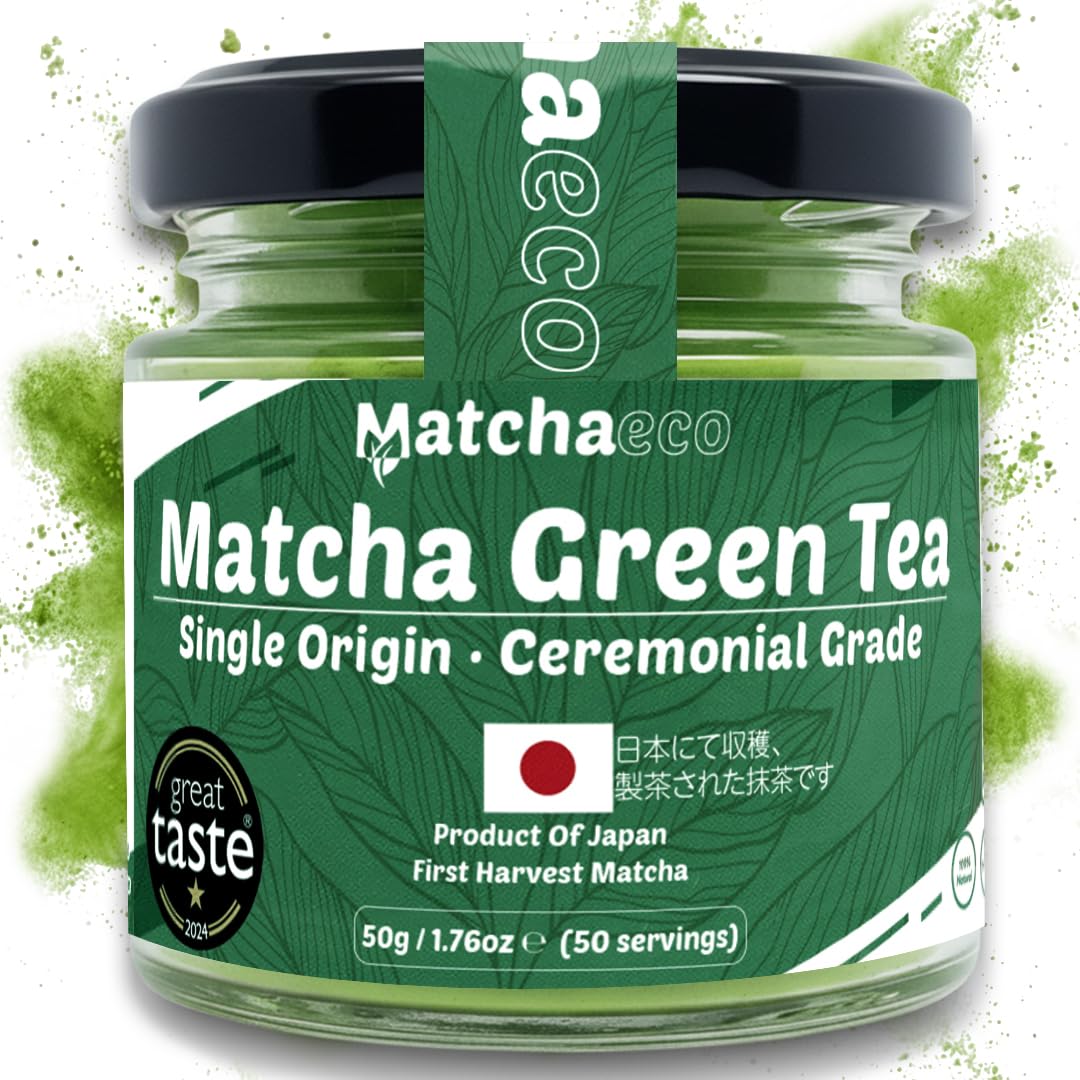
Most retail matcha brands sell their products in small containers, typically 30g or 50g tins. This size is popular because it keeps the product fresh while offering a reasonable price point for customers.
A typical premium matcha product might look like this:
- 50g ceremonial matcha powder
- Sealed metal tin or aluminum container
- Premium label or printed packaging
- Retail price between $20 and $50
This format has become the industry standard for matcha sold online or in specialty cafés.
The Cost Breakdown of a 50g Matcha Product

4
To understand the economics of a matcha brand, we can break down the cost of a typical 50g retail product.
A simplified example might look like this:
| Cost Component | Estimated Cost |
|---|---|
| Matcha Powder | $5 – $15 |
| Packaging (tin + label) | $3 – $5 |
| Fulfillment & handling | $2 – $4 |
This means the total production cost per unit usually falls between:
$10 – $20 per 50g product
The final retail price is then determined based on branding, positioning, and market strategy.
Why Most Matcha Brands Target a 60% Margin

4
Most successful food and beverage brands aim for a gross margin of around 60%.
This margin is necessary because matcha brands still need to cover many additional expenses such as:
- Marketing and advertising
- Shopify or marketplace fees
- Shipping and logistics
- Warehousing and storage
- Business overhead
For example:
If a matcha product sells for $30, the total product cost should ideally stay below $12.
This margin allows the brand to grow while still investing in customer acquisition and brand building.
Choosing the Right Matcha Grade for Your Brand


4
One of the most important decisions when starting a matcha brand is selecting the correct matcha grade.
In the retail market, most brands use matcha within the mid-to-high ceremonial range, because it offers a balance of:
- Bright green color
- Smooth taste
- Reasonable cost
Many brands launch their first product with grades equivalent to C1 – C2 ceremonial matcha, which are suitable for both:
- Drinking with water
- Premium matcha lattes
Higher grades can be introduced later as premium or limited editions.
Starting Small: A Practical Launch Strategy


4
Many successful matcha brands begin with a simple product lineup.
A practical launch strategy often includes:
- One everyday ceremonial matcha
- One premium ceremonial matcha
This approach allows brands to test market demand without holding excessive inventory.
As the brand grows, additional products such as latte blends, flavored matcha, or functional matcha beverages can be added to the lineup.
Finding a Reliable Matcha Supplier


4
A reliable matcha supplier is essential for maintaining product quality and consistency.
When evaluating suppliers, matcha brands should consider:
- Stable quality across batches
- Food safety certifications
- Transparent origin and processing
- Reasonable minimum order quantities
Many emerging brands begin by working with suppliers who can support small wholesale orders and private label packaging, allowing them to scale gradually as demand grows.