
Plain matcha powder is generally treated as low FODMAP in a measured serving. The answer changes when the powder is part of a latte, sweetened blend or large recipe, because the other ingredients and the total portion may supply FODMAPs.
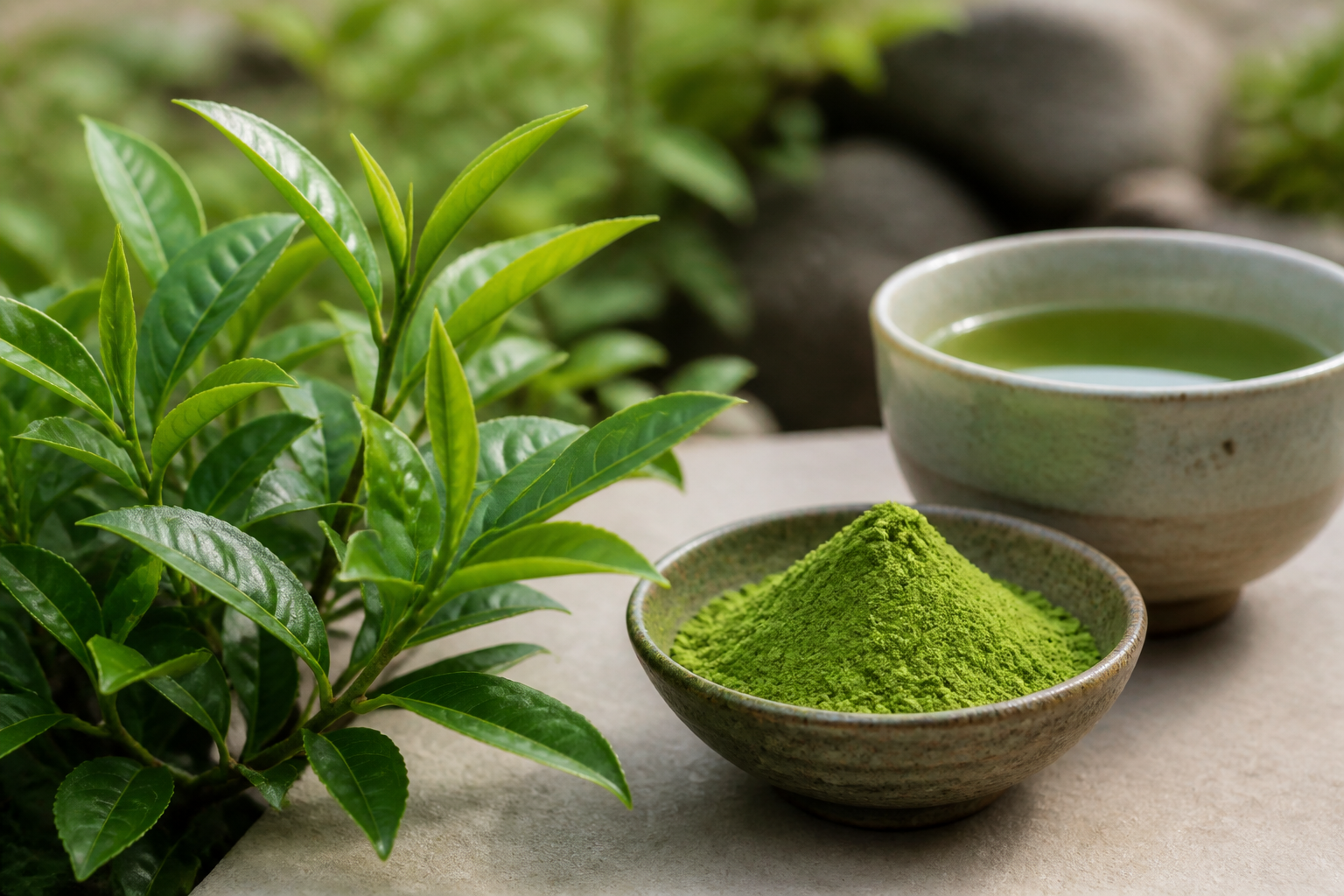
Keep the serving and recipe in view
FODMAP tolerance is serving-size dependent. Published low-FODMAP guides commonly list about 1 teaspoon (roughly 2 g) of matcha as a low-FODMAP serving, but exact testing and product data can differ. During an elimination diet, use the serving guidance from your dietitian or the current Monash University FODMAP Diet app rather than treating a blog’s number as a personal prescription.
The drink can be the problem
Pure matcha and water have a short ingredient list. Cow’s milk contains lactose, while some sweeteners, syrups and powdered creamers contain FODMAP carbohydrates. Choose the milk and sweetener that fit your plan, and check flavored matcha labels for inulin, chicory-root fiber, honey or concentrated fruit ingredients. A product marketed as “matcha” may be a premix rather than pure tea powder.
If you have IBS
The low-FODMAP diet is usually a structured, temporary process followed by reintroduction, not a promise that every low-FODMAP food will suit every person. The Monash FODMAP overview explains that food choices and portions matter. Keep a symptom record, introduce one change at a time and work with a registered dietitian if symptoms are persistent, severe or confusing.
Pure matcha powder can fit a low-FODMAP plan at a tested serving, but the finished drink, serving size and your own tolerance still matter. For a neutral introduction, read our guide to what matcha is.