
Yes. Starbucks matcha contains caffeine because its matcha is ground green tea. As of July 26, 2026, Starbucks’ current U.S. sources report about 40–45 mg for a standard Tall Matcha Latte and approximately 65 mg for a standard Grande hot or iced Matcha Latte.
This article is an independent review of current public U.S. information. Starbucks recipes, sizes, availability and nutrition can change, and caffeine values are approximate. Check the official product page or app for the exact drink and customization you intend to order.
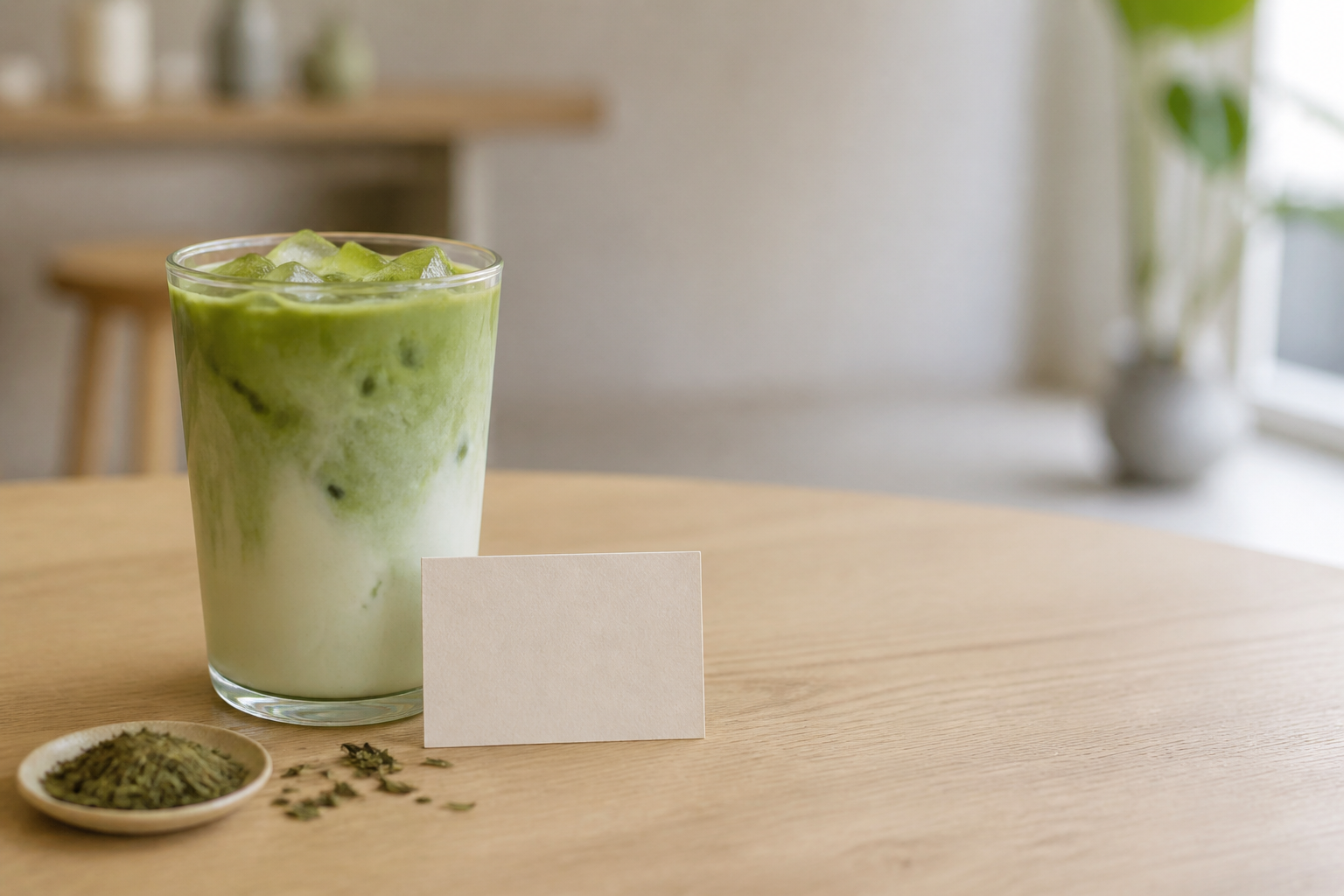
Starbucks matcha caffeine: the verified numbers
| Standard Matcha Latte | Current official caffeine information | Evidence boundary |
|---|---|---|
| Tall, 12 fl oz | About 40–45 mg | Starbucks’ April 30, 2026 Coffee Science article says the amount depends on how much matcha is added |
| Grande hot, 16 fl oz | Approximately 65 mg | Current standard hot nutrition page |
| Grande iced, 16 fl oz | Approximately 65 mg | Current standard iced nutrition page |
| Venti | No exact value published in the public U.S. sources reviewed | Do not multiply cup size or scoop assumptions and call the result official |
The Tall figure comes from Starbucks’ current caffeine explainer. The Grande figures come from the official standard hot Matcha Latte and iced Matcha Latte nutrition pages. Each official nutrition page labels caffeine approximate and warns that customization can change the information.
Why Starbucks matcha is caffeinated
The current U.S. ingredient statement lists matcha as ground green tea. Matcha is tea leaf powder rather than a caffeine-free green flavoring, so a drink can contain no coffee or espresso and still contain caffeine.
Starbucks also describes its current powder as unsweetened. That refers to sugar in the powder, not caffeine. The standard latte separately lists classic syrup, allowing sweetness and caffeine to be discussed as different questions.
Hot versus iced: is the caffeine different?
For the current standard Grande recipes reviewed, both the hot and iced Matcha Latte pages publish approximately 65 mg. Ice changes the physical build and drinking experience, but the current official Grande values are the same.
Do not generalize that equality to every size or specialty matcha drink. Cold foam, protein milk, sauces and product-specific matcha quantities can create a different recipe. Use the official nutrition page for the named product rather than treating every green Starbucks drink as the standard latte.
Does Starbucks matcha have a lot of caffeine?
“A lot” depends on the person, serving and comparison. Starbucks says matcha drinks generally contain less caffeine cup-for-cup than its brewed coffee or cold brew, but that does not make matcha caffeine-free or suitable for every caffeine-sensitive customer.
The most useful comparison is the exact published number for the chosen serving. A standard Grande Matcha Latte is currently listed at approximately 65 mg. A flavored specialty drink, a Matcha Crème Frappuccino, an added espresso shot or a different market needs its own product data.
Can customization change the amount?
- Size: a different cup can use a different matcha quantity, but cup volume alone cannot prove an exact value.
- Matcha quantity: changing the powder quantity can change caffeine, yet Starbucks does not provide a verified caffeine calculation for every custom build.
- Espresso: adding a shot adds another caffeine source.
- Syrup: reducing classic syrup changes sweetness, not the caffeine naturally present in matcha.
- Milk: changing milk affects nutrition and allergens, but it does not remove caffeine from the tea powder.
If you need zero caffeine, see the separate guide to caffeine-free Starbucks matcha requests. If you are ordering the blended drink, use the product-specific Matcha Crème Frappuccino caffeine guide.
Pregnancy, children and caffeine sensitivity
A menu value is not personal medical advice. Caffeine from matcha, coffee, tea, chocolate, energy drinks, supplements and medicines can add up across the day. People who are pregnant, breastfeeding, ordering for children, taking medication or managing a health condition should use advice appropriate to their situation. See the evidence boundaries in the matcha pregnancy, breastfeeding and children caffeine guide.
Frequently asked questions
Is Starbucks matcha decaf?
No decaf matcha product appeared on the current U.S. matcha menu reviewed. Matcha itself supplies caffeine.
Does Starbucks matcha contain coffee?
The standard Matcha Latte ingredient statement does not list coffee or espresso. It is still caffeinated because it contains ground green tea. Adding espresso would change the answer.
How much caffeine is in a Grande Starbucks Matcha Latte?
The current standard hot and iced U.S. nutrition pages list approximately 65 mg for a Grande, 16 fl oz serving.
For the broader current menu, supplier-disclosure limits and seasonal products, see the dated Starbucks, Dunkin and Dutch Bros matcha menu review. Sailtik is not affiliated with Starbucks and does not claim to supply its matcha.