
Plain, unsweetened matcha can fit many diabetes eating plans, but it should not be treated as a diabetes treatment. The practical answer depends on the whole drink: matcha powder, milk, syrup, sweetened powder, portion size, caffeine tolerance and the meal it accompanies.
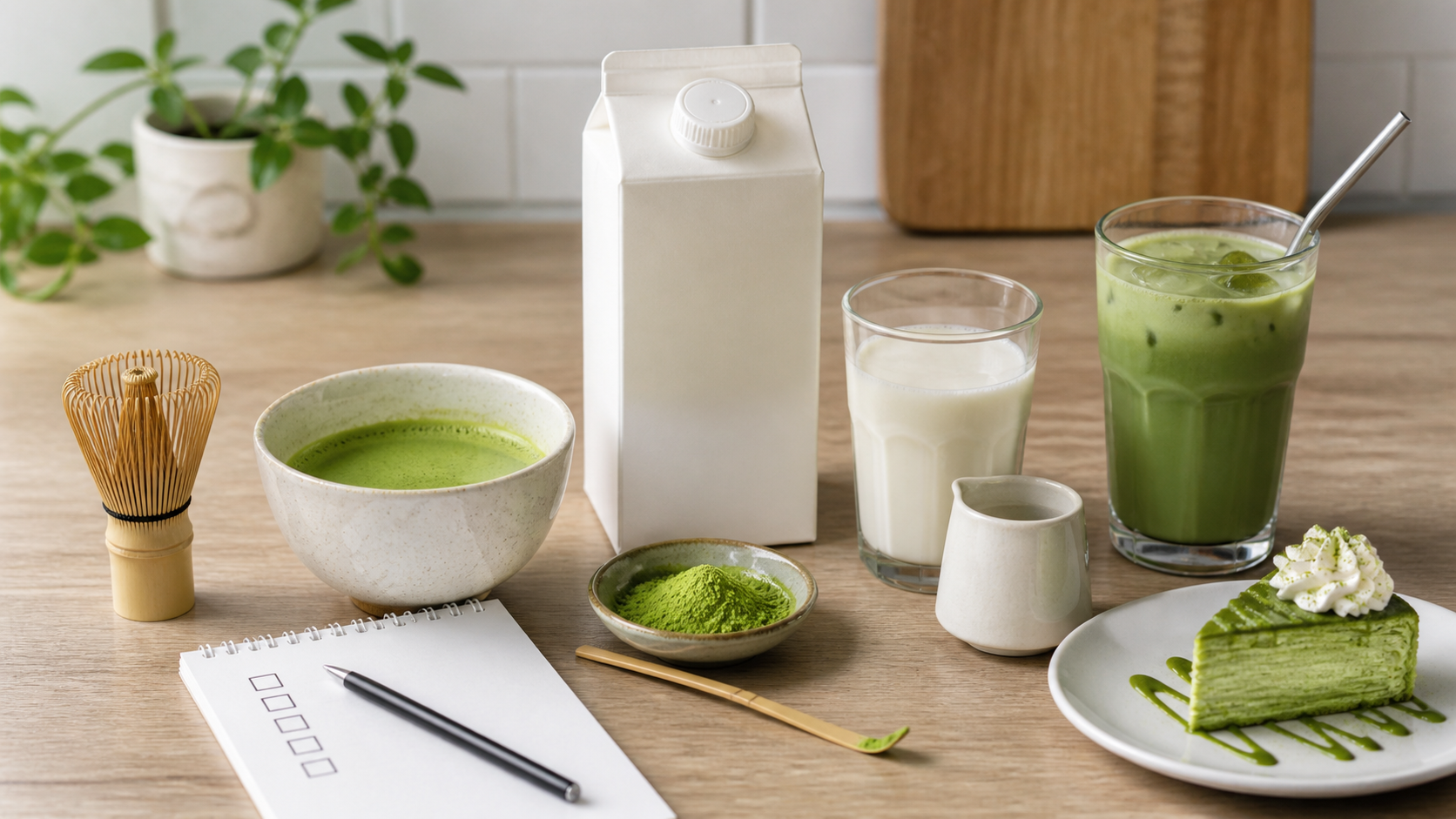
The short answer by drink type
| Matcha choice | Diabetes-relevant point | What to check |
|---|---|---|
| Plain matcha whisked with water | Usually little carbohydrate unless something is added. | Caffeine amount and personal tolerance. |
| Unsweetened matcha latte | Milk or plant milk can add carbohydrate, protein and calories. | Milk type, portion size and total carbs. |
| Sweetened café matcha latte | Syrup, sweetened powder, sauces or toppings can dominate the nutrition. | Current nutrition page, ingredient list or barista disclosure. |
| Instant matcha mix | Some mixes contain sugar, creamer or maltodextrin. | Nutrition Facts, serving size and ingredient order. |
| Green-tea extract capsule | Not the same exposure as a drink. | Clinician/pharmacist advice, dose and medication interactions. |
The American Diabetes Association’s carbohydrate guidance emphasizes that carbs affect blood glucose and that labels and serving sizes matter. That is why a plain bowl of matcha and a large sweetened iced latte should not receive the same answer.
What matcha can and cannot do
Matcha is powdered green tea. It contains caffeine and plant compounds such as catechins, but composition is not the same as proof that a drink lowers blood glucose in a specific person. Current evidence is stronger for broad diet patterns, carbohydrate management and individualized diabetes care than for using matcha as a therapy.
NIDDK frames diabetes eating around meal planning, medicines, physical activity and individualized goals. Matcha can be one beverage choice inside that plan, especially when it replaces a sugary drink, but it does not replace medication, glucose monitoring, nutrition counseling or medical care.
The sugar issue is often bigger than the tea issue
Plain matcha powder is not the same as a sweetened matcha drink. A café drink may include classic syrup, flavored syrup, sweetened matcha blend, condensed milk, cold foam or a dessert topping. Packaged mixes may list sugar, glucose syrup, maltodextrin or creamer. Those ingredients can change the blood-glucose relevance more than the matcha itself.
- Ask whether the matcha powder is plain or pre-sweetened. Do not infer this from the word “matcha.”
- Check total carbohydrate per serving. Serving size can be smaller than the cup or packet you actually use.
- Separate milk sugar from added sweetener. Dairy milk contains lactose; syrup and sweetened powders add different carbs.
- Watch customizations. Extra pumps, foam, sauce and toppings can turn a tea drink into a dessert drink.
Caffeine still matters
Matcha is caffeinated because the powdered tea leaf is consumed. The FDA notes that 400 mg per day is not generally associated with negative effects for most adults, while individual sensitivity varies. Some people notice sleep disruption, palpitations, anxiety, stomach upset or blood-pressure effects at lower amounts.
For diabetes specifically, caffeine is a practical tracking issue rather than a reason to label every matcha drink good or bad. If caffeine affects your sleep, appetite, anxiety, heart symptoms or glucose readings, bring your real intake pattern to your clinician. Do not evaluate matcha in isolation if the same day also includes coffee, energy drinks, black tea, soda or caffeine-containing supplements.
A safer order checklist
- Choose plain matcha with water if you want the simplest carbohydrate profile.
- For a latte, choose unsweetened milk or a milk alternative that fits your meal plan.
- Ask for syrup on the side or skip it; do not assume matcha powder is unsweetened.
- Check the posted nutrition for the exact size and customization.
- If you use glucose monitoring, compare your own response rather than relying on a generic internet claim.
When to get individualized advice
Ask a diabetes educator, dietitian, pharmacist or clinician if you are pregnant, have kidney disease, have heart rhythm symptoms, use insulin or sulfonylureas, take multiple medications, or are considering concentrated green-tea extract. NCCIH notes that green tea as a beverage is different from extract products and that green tea can interact with some medicines.
Bottom line
Matcha is not automatically “good for diabetics,” but plain unsweetened matcha can be a reasonable drink option for many people with diabetes. The safer question is: how many carbohydrates, added sugars and milligrams of caffeine are in the drink you actually plan to consume? For broader evidence boundaries, see Sailtik’s matcha health-benefits evidence review.