
Starbucks matcha can be good if you want a sweet, creamy, consistent café latte; it is less likely to satisfy someone seeking the concentrated aroma and umami of matcha whisked only with water. “Good” is a taste and value judgment, not an objective grade. The fairest review starts with the current drink recipe and the experience you want.
What the current U.S. recipe tells us
As checked on July 27, 2026, Starbucks’ U.S. pages list the standard Matcha Latte as milk, classic syrup and matcha described as ground green tea. The standard Grande hot drink is listed at 220 calories, 29 g total sugar and about 65 mg caffeine. The standard Grande iced version is listed at 190 calories, 25 g total sugar and about 65 mg caffeine.
That current listing matters because older reviews often describe a pre-sweetened matcha powder. The present U.S. menu shows the matcha and classic syrup as separate ingredients, making syrup customization visible. Recipes, availability and ingredient disclosures can differ by market and change again, so check the official page for the store and date of purchase.
Who is likely to enjoy it?
- Sweet-latte drinkers: the standard recipe is designed around milk and syrup rather than an austere tea bowl.
- People who value consistency: a chain recipe aims to produce a familiar result across visits, although preparation can still vary.
- Customization users: milk, ice and syrup choices allow a customer to move the drink toward a preferred sweetness or texture.
- Matcha beginners: milk and sweetness can make the grassy, bitter and umami notes feel more approachable.
A person accustomed to sweet coffeehouse drinks may call the flavor smooth and accessible. Someone who usually drinks high-end matcha with water may find it muted, too sweet or dominated by milk. Neither reaction alone proves that the underlying tea is “good” or “bad.”
When it may disappoint
- You want to evaluate the tea’s aroma, umami, astringency and aftertaste without milk or syrup.
- You expect a formal tea-ceremony experience rather than a café beverage.
- You prefer little or no added sweetness and order the default recipe without reviewing its customization.
- You judge value by the amount and specification of dry matcha rather than convenience and prepared-drink service.
- You need product-level origin, harvest, cultivar, milling or lot documents that are not supplied on the consumer menu page.
The last point is important: a menu ingredient statement can identify ground green tea without disclosing enough information to assign a ceremonial, café or culinary grade. Questions about whether the matcha is “real,” its quality tier, and its origin require separate evidence and should not be inferred from taste alone.
A fair five-part taste test
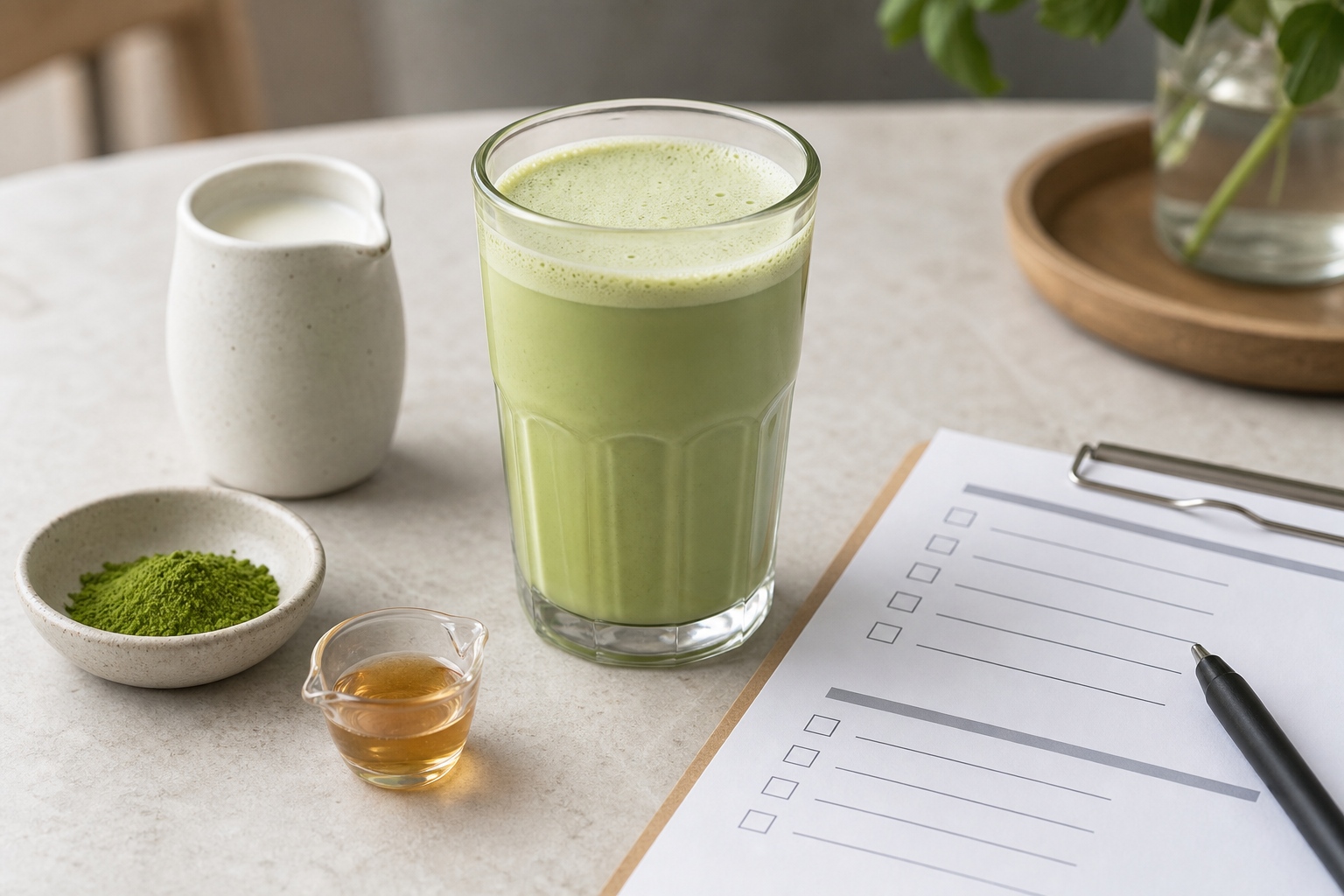
If you want more than a social-media verdict, score one current drink against your own priorities:
| Criterion | Question to ask |
|---|---|
| Tea presence | Can you clearly recognize matcha through the milk and sweetness? |
| Balance | Do sweetness, bitterness and dairy or plant milk support rather than bury one another? |
| Texture | Is the drink smooth and evenly mixed, without obvious dry clumps? |
| Consistency | Does the same order deliver a comparable result on another visit? |
| Value | Are convenience, customization and serving size worth the price to you? |
Use the same size and customization when comparing visits. Changing milk, syrup, foam, ice or matcha scoops changes the drink, so a review of one custom recipe should not be presented as a review of every Starbucks matcha beverage.
Good taste is not the same as healthy or high quality
A drink can taste good while containing more total sugar or calories than someone wants. It can also fit a person’s preferences without meeting a specialist’s definition of premium matcha. The separate Starbucks matcha nutrition review evaluates the complete recipe rather than turning this taste judgment into a health claim.
Similarly, bright color does not establish harvest, origin or contaminant testing. Foam does not prove fineness, and bitterness does not automatically mean low quality because dose, water, milk and holding time also affect perception.
Independent business context
This article is an independent review framework based on Starbucks’ current public U.S. menu information. Sailtik is not affiliated with Starbucks and does not supply or represent Starbucks products. Sailtik’s own confirmed matcha origins are Guizhou and Zhejiang, China, and no claim is made that any Sailtik grade duplicates Starbucks’ formulation.
Bottom line
Starbucks matcha is best judged as a customizable, sweet café latte—not as plain ceremonial tea. It may be a good choice for convenience, milk-forward flavor and predictable customization. It may be a poor fit for unsweetened straight-matcha drinkers or buyers seeking detailed tea specifications. Check the current official recipe, order the version you actually want, and judge that drink rather than an outdated formula or somebody else’s preferences.