
Starbucks matcha is a café ingredient made from shade-grown, milled green tea and used as the tea base in its matcha drinks. On the current U.S. menu, a Matcha Latte combines ground green tea matcha with milk and separate sweetening ingredients in the finished recipe.
It is not ordinary steeped green tea: the fine leaf powder stays in the drink. It is also not one fixed beverage, because milk, syrup, fruit, cold foam and serving format vary across the menu.
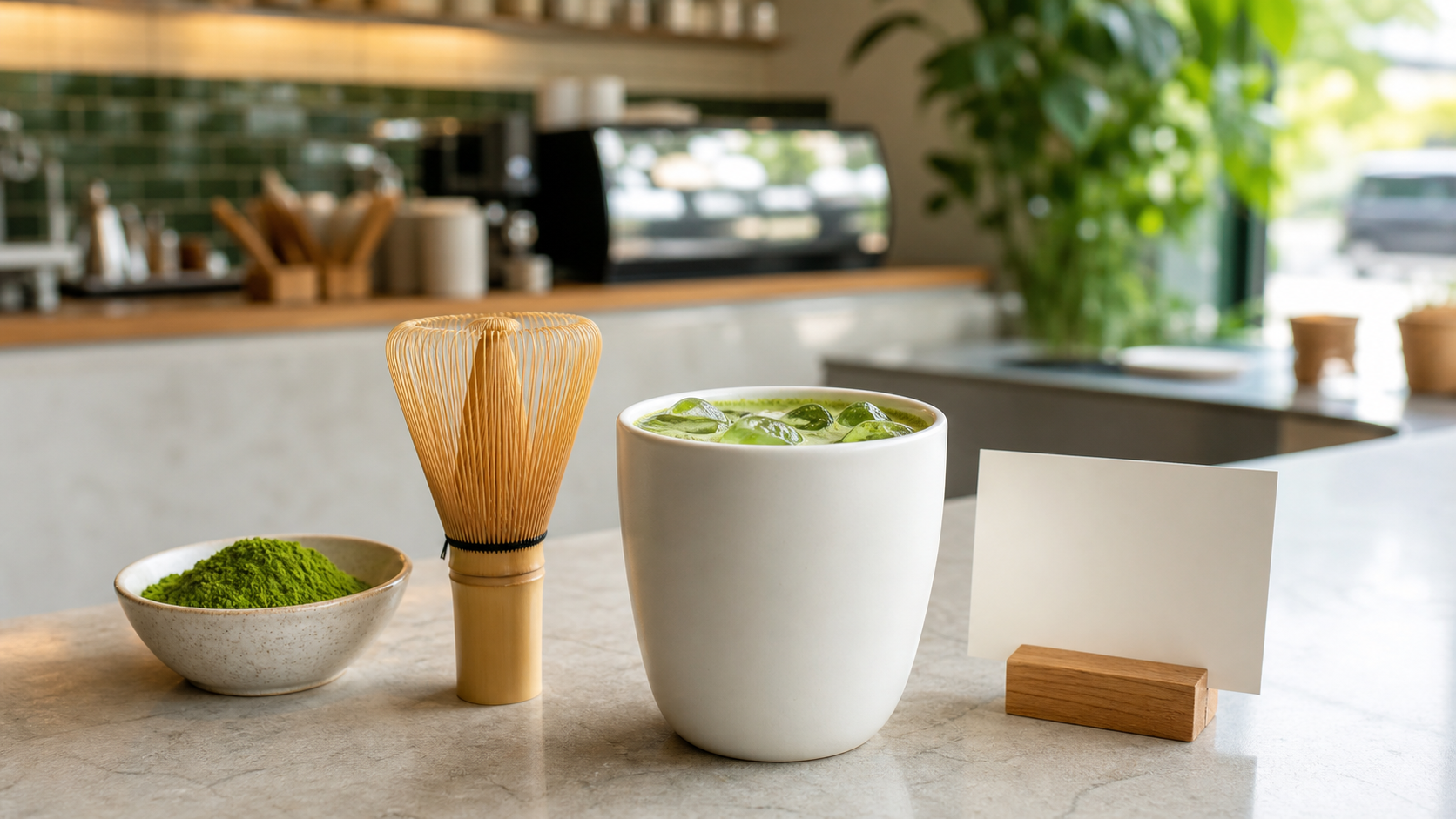
The current U.S. definition
| Part | What current Starbucks sources say |
|---|---|
| Tea ingredient | The Matcha Latte listing identifies matcha as ground green tea. |
| Powder description | Starbucks describes shade-grown, milled green tea. |
| Core powder sweetness | The U.S. core matcha changed to an unsweetened formulation in January 2025. |
| Finished Matcha Latte | The current hot listing includes milk, classic syrup and matcha. |
| Other matcha drinks | Ingredients and toppings vary by the individual menu item. |
The current U.S. Matcha Latte page is the best source for the exact ingredient list and nutrition of that item. The matcha menu hub shows that “a Starbucks matcha” can refer to several drinks rather than one universal formula.
A February 25, 2026 Starbucks article adds the sourcing-level description “shade-grown” and “milled,” but it does not turn every menu drink into plain, unsweetened tea. The finished drink can still include syrup, flavored components or sweetened toppings.
How Starbucks matcha differs from brewed green tea
With brewed green tea, leaves are infused in water and then removed. With matcha, finely milled tea is dispersed into the drink and consumed. That difference explains the opaque green appearance, suspended powder and characteristic tea body.
Whisking or shaking helps disperse matcha, but it does not make the leaf powder dissolve like sugar. Some settling can occur, especially when a drink waits. Milk and ice soften the intensity and change how sweetness, bitterness and aroma are perceived.
Is it “real” matcha?
The current Starbucks ingredient disclosure identifies ground green tea matcha, so it is not merely green coloring or a matcha-flavored syrup. However, judging whether a finished chain drink matches a personal idea of traditional tea ceremony is a different question. A milk-and-syrup latte is a café application of matcha, not a traditional bowl of plain matcha and water.
Likewise, the words “ceremonial grade” are not needed for an ingredient to be matcha, and the current cited pages do not present that grade claim. Grade language varies across sellers and should not be used to invent an undisclosed Starbucks specification.
What this answer does not establish
- Retail brand: the cited sources do not name a supermarket product that is identical to the foodservice powder.
- Supplier or farm: no supplier, farm or cultivar is identified in the current public ingredient listing.
- One permanent menu: drinks, recipes and availability can change by date and market.
- One nutrition profile: size, milk, syrup and toppings change calories, sugar and other values.
- One flavor: a plain Matcha Latte and a fruit- or cold-foam-topped version are not sensory equivalents.
For the narrower sourcing question, see what matcha powder Starbucks uses. That page explains why a proprietary foodservice ingredient may not have a publicly named retail brand.
Frequently asked questions
Is Starbucks matcha just green tea?
Matcha is a form of green tea powder, but the finished Starbucks drink may also contain milk, syrup and other components. Check the individual item rather than applying one ingredient list to the entire category.
Is the current Starbucks matcha powder sweetened?
Starbucks says the U.S. core powder became unsweetened in January 2025. The finished drink can still be sweetened separately. The dedicated Starbucks matcha sugar guide separates powder composition from beverage nutrition.
Does Starbucks matcha contain caffeine?
Yes, matcha naturally contains caffeine. The current chain-specific figures belong in the separate Starbucks matcha caffeine guide.
For cafés developing their own matcha drink
Use Starbucks only as a familiar reference point, not as a claim of equivalence. Define your own target for milk color, tea aroma, umami, bitterness, sweetness and powder dose, then blind-test samples in one standardized recipe. Sailtik can recommend 10 g samples according to a café’s commercial model and target drink. It does not claim to supply, represent or be endorsed by Starbucks. Contact Carol with the intended milk, serving size and monthly powder volume for a focused sample recommendation.