
The best place to buy good matcha is not defined by a country name or the word “ceremonial.” Look for a seller that explains origin, intended use, lot information, storage, packaging and testing, then compare a sample in the recipe you actually serve.
Where to look
- Specialist tea sellers: useful when you want cultivar, harvest, region and preparation detail.
- Local tea shops or cafés: useful for tasting and asking how a powder performs in water or milk.
- Direct B2B suppliers: useful for cafés, bakeries and private-label projects that need samples, repeat lots and documents.
- Marketplaces: convenient, but verify the actual seller, traceability, date and return policy rather than relying only on reviews.
What to check before buying
| Check | Why it matters |
|---|---|
| Single clear ingredient | Helps distinguish plain matcha from sweetened latte mixes or blends. |
| Origin and lot information | Makes future batches easier to compare and trace. |
| Opaque, well-sealed packaging | Reduces exposure to light, oxygen and moisture. |
| Intended use | A water-whisked powder and a latte or baking powder may need different sensory profiles. |
| Documents and sample policy | Important for commercial food-safety review and supplier qualification. |
How to compare a supplier objectively
Do not choose from color photographs alone. Ask for the product specification, shelf-life information, storage guidance and a lot reference. For commercial use, request documents appropriate to your market, such as a CoA, allergen declaration, food-safety management certificate, Halal certificate, heavy-metals report, pesticide or mycotoxin residue report, Non-GMO declaration and SDS when applicable.
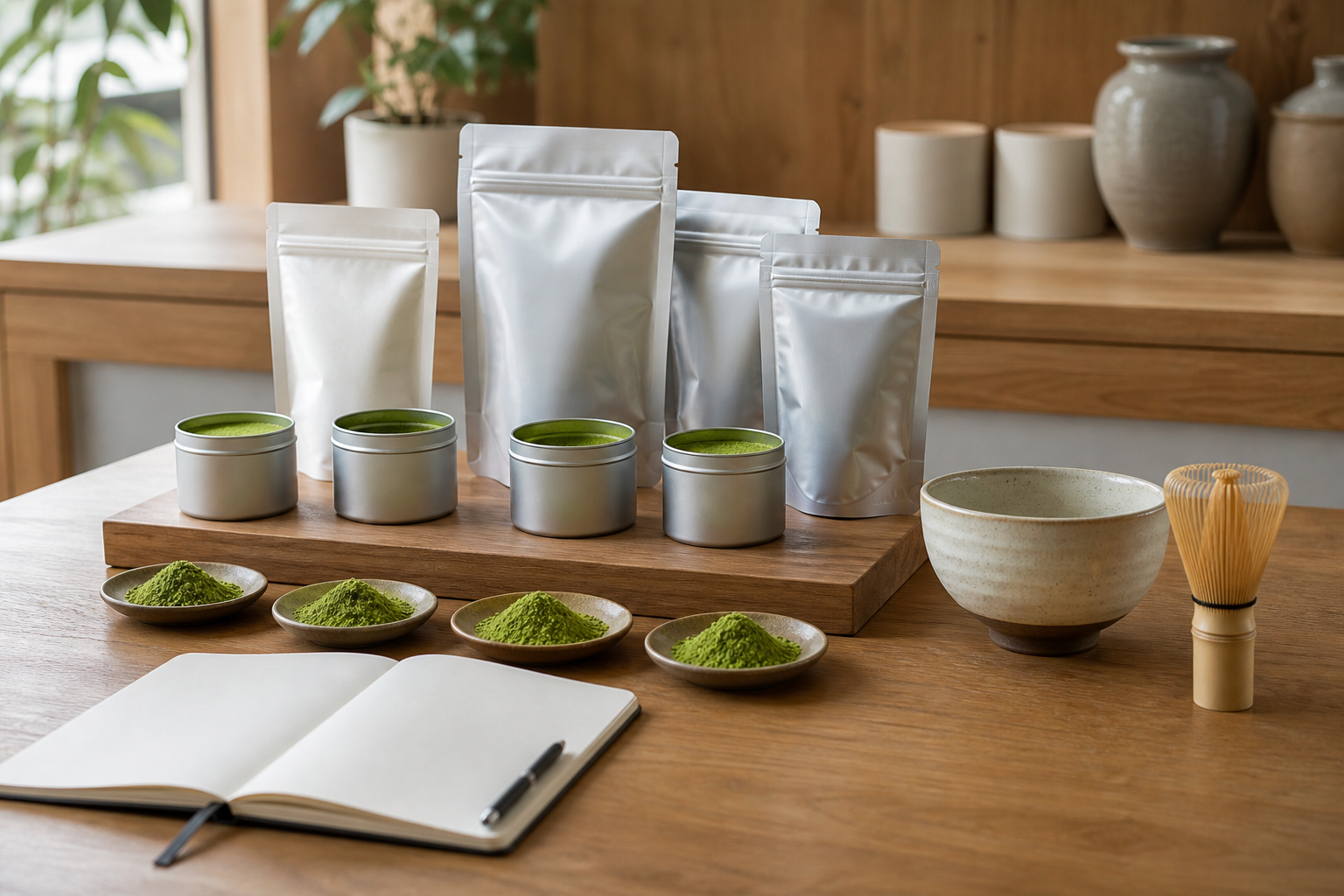
Then make a small, controlled test. Record grams, water or milk, temperature, mixing method, color, aroma, bitterness, aftertaste, sediment and cost per serving. A powder that tastes good in a whisked bowl may not be the best value in a sweetened latte or bakery formula.
Sailtik can discuss matcha from Guizhou or Zhejiang, with small samples and flexible ordering for commercial evaluation. We do not claim that one origin or grade is universally best; the buyer should judge the sample against the intended application.
Questions to ask any seller
- What is the exact origin and lot or production date?
- Is it plain matcha or a blend with other ingredients?
- How was it packed and stored?
- Can you provide current safety and residue documents?
- Can I test a sample in my real drink or food formula?
- What happens if the next lot tastes or performs differently?
“Best matcha” is a use-case decision, not a guarantee created by a label. Verify the powder, documents and sensory performance before committing to a large order.