
Matcha can be a good beverage choice for some people, but “good” is not a single scientific verdict. The answer changes depending on whether you mean taste, caffeine, calories, a specific nutrient or a health outcome. Plain matcha is tea powder; a sweet latte or concentrated extract is a different exposure.
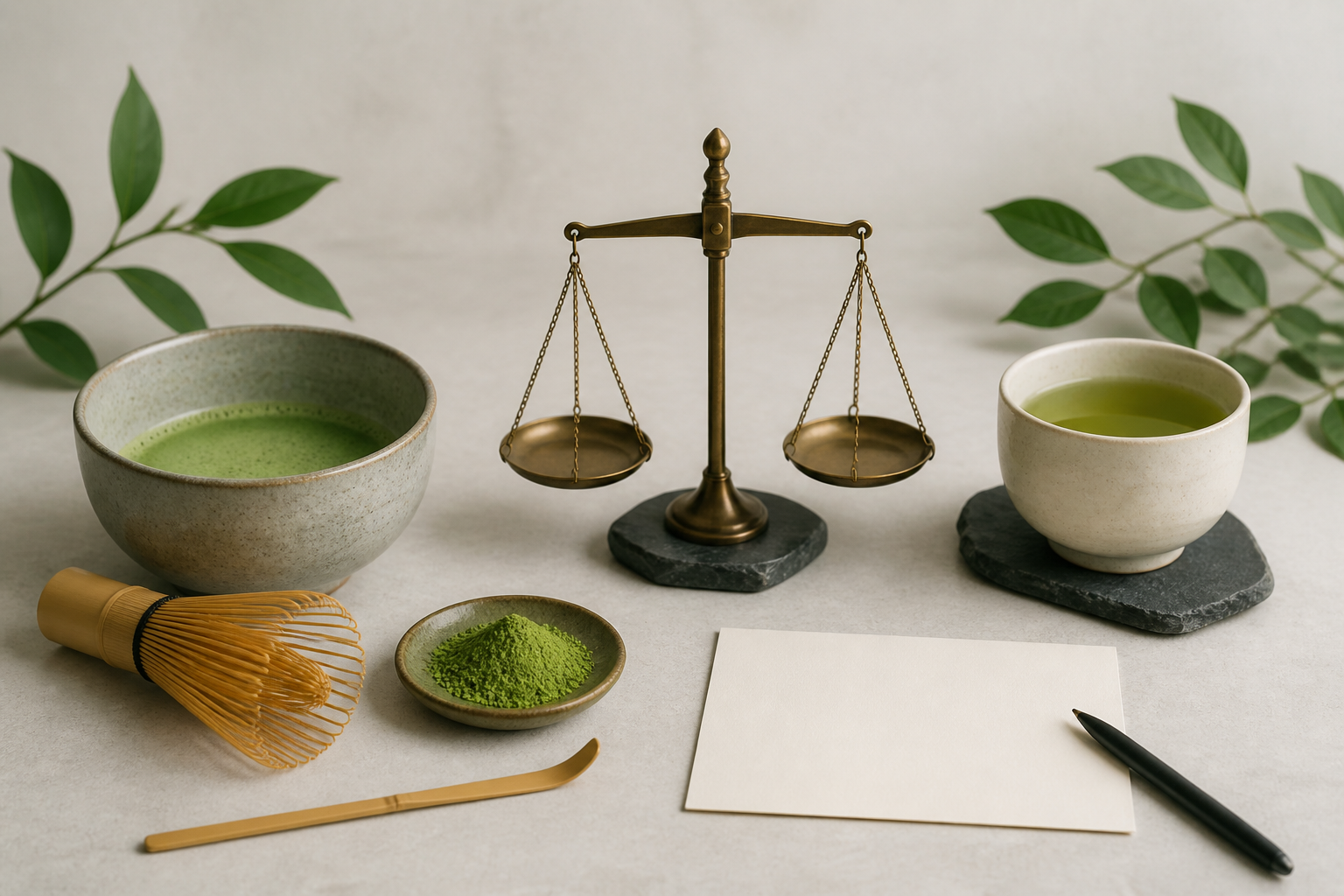
Good as a beverage choice
Plain matcha provides a strong green-tea flavor, natural caffeine and the experience of consuming the powdered leaf rather than discarding it after steeping. Some people enjoy that taste and use it instead of a sugary or alcoholic drink. Others dislike bitterness, experience caffeine symptoms or prefer ordinary brewed tea. A sustainable choice is one that fits your taste, budget, schedule and tolerance.
Good for what outcome?
| Question | What can be said carefully |
|---|---|
| Does it contain caffeine? | Yes, though the amount varies with powder, serving size and recipe. |
| Is it low-calorie? | Plain powder and water are different from a sweetened milk drink. |
| Does it guarantee weight loss? | No; evidence does not establish a reliable matcha treatment. |
| Does it prevent disease? | Broad prevention claims are not established by a cup of matcha. |
| Is it safe for everyone? | No single answer; caffeine, medicines, pregnancy and conditions matter. |
The National Center for Complementary and Integrative Health says green-tea catechins and caffeine may have a modest effect on body weight, but studies vary and concentrated extracts have different safety considerations. That is not proof that matcha prevents cancer, treats diabetes, detoxifies the body or produces a guaranteed slimming result.
The preparation changes the answer
- Plain whisked matcha has no milk or syrup unless you add them.
- A latte adds calories, protein, fat, sugar and possible allergens.
- Flavored mixes may contain sweeteners, carriers or other ingredients.
- Extract capsules are not interchangeable with a beverage.
- A café serving may use a different powder and dose than a home recipe.
When someone says matcha is “good,” ask what product and preparation they actually used. A green color or premium-sounding grade cannot answer the nutrition or health question by itself.
There is also a practical economic question. A costly ceremonial powder may be worthwhile for someone who drinks it plain, while a robust café grade may be the better fit for milk, ice, sweetener or baking. “Good” therefore includes performance in the intended recipe, not only a prestige label.
For businesses, ask for the specification, origin, lot documents and a real-use sample. For consumers, compare the ingredient list, serving size and total caffeine. Neither audience should infer safety or efficacy from color alone.
Who should be cautious?
People sensitive to caffeine may experience jitters, anxiety, sleep disruption, palpitations or stomach discomfort. Medicines and health conditions can alter what amount is appropriate. Pregnancy, breastfeeding, liver conditions and planned surgery may require individualized guidance. Concentrated green-tea extracts deserve more caution than ordinary food or beverage use.
How to decide whether it is good for you
- Name the goal: taste, caffeine replacement, calories or a specific medical concern.
- Record the actual powder amount and every milk, syrup or topping.
- Count other caffeine consumed that day.
- Check the ingredient and allergen statement for blends.
- Stop treating the drink as a therapy if it causes symptoms or replaces needed care.
Frequently asked questions
Is matcha really that good?
It can be enjoyable and nutritionally compatible with many diets, but marketing often outruns evidence. Judge the complete recipe and the specific claim rather than a superfood label.
What is good in matcha tea?
Matcha contains tea compounds including caffeine and catechins. The amount depends on powder, dose and preparation; “more” is not automatically better.
Health outcomes also depend on the person and the rest of the diet. A sweetened latte can be a pleasant treat but may carry more sugar and energy than plain tea. Conversely, a plain cup that disrupts sleep may not be a good daily choice for a caffeine-sensitive person.
Which matcha is good?
That is a product-selection question, not the same as general health evidence. Compare the use, flavor, origin, specification, documents and price in our matcha guide.
Bottom line
Matcha may be a good drink for you if you enjoy it, tolerate its caffeine and choose a recipe that fits your needs. It is not a universal treatment or a substitute for medical care. Separate plain tea, sweetened drinks and extracts before making a health judgment.
This article is general nutrition education, not individualized medical advice.