
Matcha can be mildly diuretic because it contains caffeine, but a normal serving is not the same as taking a diuretic medication and does not automatically dehydrate you. The practical answer depends on caffeine dose, your usual caffeine habit, how much fluid you drink with it and whether you have a medical reason to track urine output.
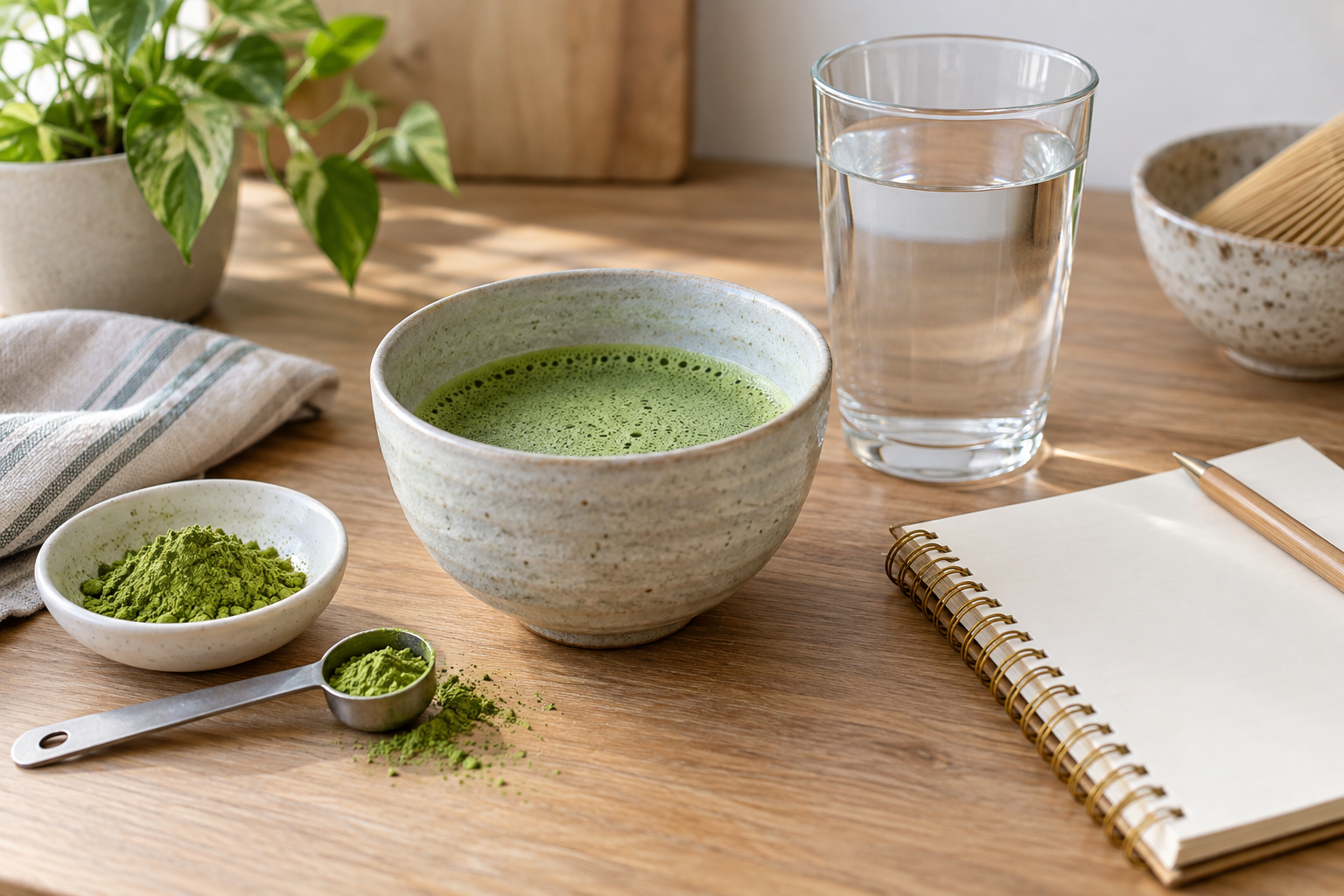
MedlinePlus describes caffeine as a diuretic because it can help the body get rid of extra salt and water by urinating more. That is the simple mechanism behind the answer. The nuance is that caffeine’s real-world effect is often small at ordinary beverage doses, especially in people who regularly consume caffeine.
Why matcha is different from plain water
Matcha is powdered green tea, so you consume the tea leaf compounds rather than only a steeped infusion. It naturally contains caffeine. A stronger bowl, a large latte, or several matcha drinks in one day can deliver enough caffeine for some people to notice more urination, a faster heartbeat, jitters or sleep disruption.
But the drink also contains water or milk. A cup of matcha is not a dry caffeine pill. In hydration research, moderate caffeinated beverages generally do not behave like they erase the fluid you drank.
What research suggests about caffeine and urine
| Situation | What to expect | Why it matters |
|---|---|---|
| Small or moderate caffeine serving | Little or no noticeable diuretic effect for many regular users. | One normal matcha is unlikely to be a dehydration crisis. |
| Large caffeine dose after little recent caffeine | More likely to increase urine output short-term. | Strong drinks and caffeine breaks change the response. |
| Habitual caffeine drinker | Some tolerance can develop. | Your reaction may be milder than a caffeine-sensitive person’s. |
| Exercise or heat | Fluid needs depend on sweat, weather and duration. | Do not use matcha as your only hydration plan. |
A review on caffeine and fluid balance found that large acute doses can stimulate urine output, especially after caffeine abstinence, while standard servings of caffeinated beverages do not necessarily cause poor hydration. A later meta-analysis found a minor diuretic effect from caffeine overall, with the effect reduced during exercise. Those findings are about caffeine generally, not a special matcha-only effect.
When to be more careful
- You are sensitive to caffeine or have been avoiding it for days.
- You drink several matcha lattes, coffee or energy drinks on the same day.
- You are pregnant, breastfeeding, managing blood pressure, kidney disease or a bladder condition.
- You notice frequent urination together with thirst, dizziness, palpitations or sleep problems.
- Your clinician has told you to follow a fluid restriction or diuretic-medication plan.
If any of those apply, count total caffeine rather than treating matcha as a separate wellness category. FDA’s general adult guidance cites about 400 mg caffeine per day as an amount not generally associated with dangerous negative effects for many adults, while also noting that sensitivity varies. That is not a personal target and not pregnancy guidance.
How to drink matcha without overthinking it
Use a measured amount of powder, drink water normally, and avoid stacking matcha with coffee just because matcha feels gentler. If you are testing your own response, try one drink earlier in the day and notice whether urination, sleep or jitters change.
For broader caffeine context, see Sailtik’s matcha caffeine versus coffee guide and caffeine in a cup of matcha. If your concern is kidney health rather than urine frequency, read is matcha good for kidneys?
Bottom line
Yes, matcha can be mildly diuretic because of caffeine. No, a normal cup does not automatically dehydrate most healthy adults. Dose, caffeine tolerance and your health context decide how much the effect matters.
Sources checked
- MedlinePlus caffeine page, checked September 2026.
- Maughan and Griffin review on caffeine ingestion and fluid balance.
- Meta-analysis of caffeine and diuresis during rest and exercise.
- FDA consumer caffeine guidance, checked September 2026.